Wooden roof beams are one of the most important structural components of a home. They provide support, stability, and long-term strength to roofs while also adding character and charm to traditional and modern properties. However, because roof beams are often hidden in attics and ceiling spaces, they can quietly become vulnerable to moisture, woodworm, termites, mold, and age-related damage.
Treating wooden roof beams safely is essential because improper repairs or harsh treatments can sometimes weaken timber, damage finishes, or create indoor safety concerns. Many homeowners only notice roof beam problems after seeing signs such as small holes, cracks, powdery dust, sagging ceilings, or moisture stains. By then, damage may already be progressing.
The good news is that roof beams can often be protected and treated successfully without unnecessary replacement. Safe treatment focuses on identifying the real problem, using appropriate methods, and protecting both the timber and the people living inside the home.
Many homeowners researching timber care through shashel.eu/ understand that proper maintenance and early treatment are key to preserving wooden roof beams for decades.
In this guide, we will explain how to treat wooden roof beams safely, identify warning signs, and prevent future damage.
Why Wooden Roof Beams Need Protection
Roof beams are constantly exposed to environmental stress.
Over time, timber may face problems such as:
- Moisture damage
- Woodworm infestation
- Mold growth
- Cracking and aging
- Structural weakening
Because roof beams are often hidden:
Problems may go unnoticed for years
Routine inspection helps avoid expensive repairs.
Step 1: Inspect Roof Beams Carefully
Before treatment begins, inspect the beams properly.
What to Look For
Check for:
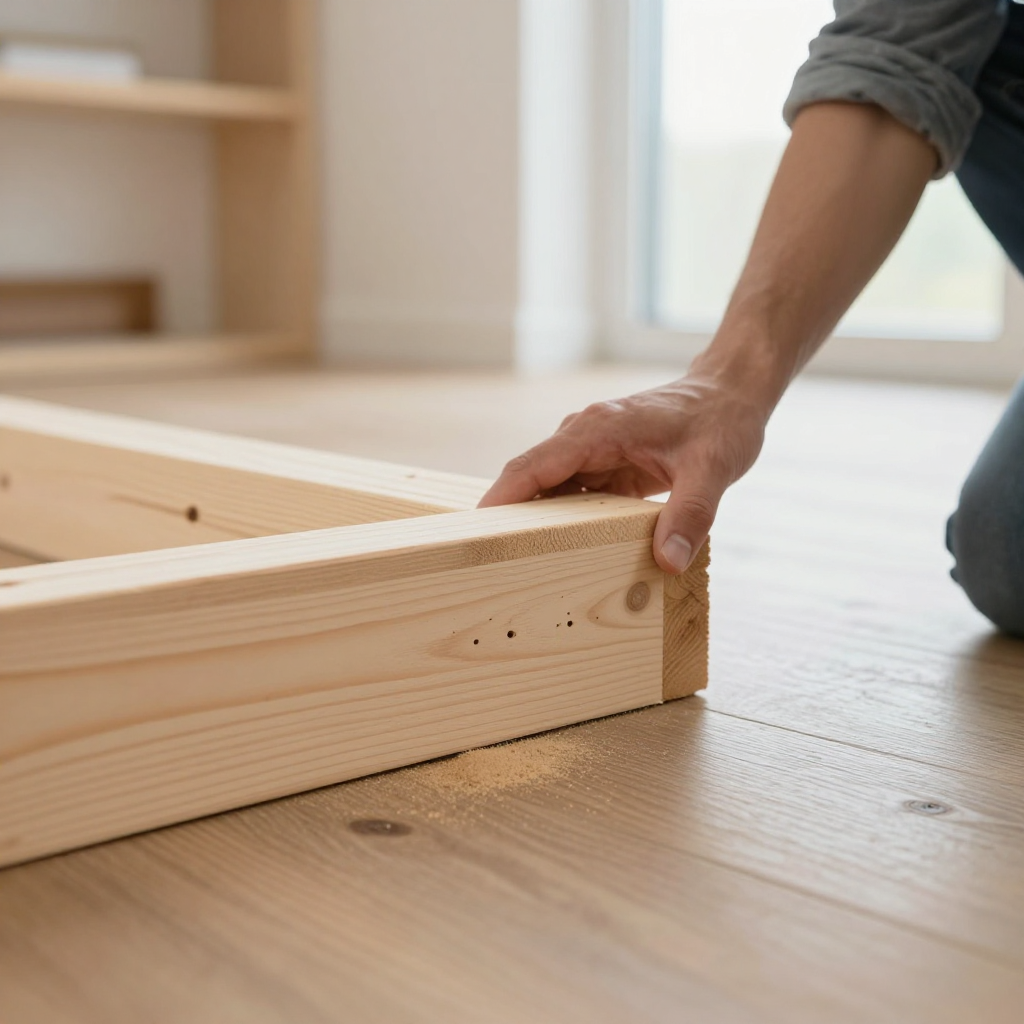
- Tiny holes in wood
- Powdery dust
- Cracks
- Soft timber
- Moisture stains
These signs may indicate hidden damage.
Pay Attention to Hidden Spaces
Inspect:
- Attics
- Ceiling spaces
- Dark corners
Roof problems often begin quietly.
Early detection matters.
Step 2: Check for Moisture Problems
Moisture is one of the biggest threats to roof beams.
Why Moisture Matters
Damp timber becomes vulnerable to:
- Woodworm
- Rot
- Mold
Common Moisture Sources
Inspect for:
- Roof leaks
- Condensation
- Poor ventilation
Fixing moisture issues should happen before treatment.
Dry timber responds better to protection.
Many homeowners exploring long-term timber care through shashel.eu prioritize moisture control because dry roof beams naturally resist pests and decay.
Step 3: Improve Roof Ventilation
Poor airflow traps humidity.
Why Ventilation Helps
Healthy airflow reduces:
- Dampness
- Mold risk
- Pest attraction
Areas to Improve
Focus on:
- Attics
- Roof spaces
Proper ventilation protects timber naturally.
Healthy air circulation extends beam lifespan.
Step 4: Treat Woodworm Safely
Woodworm is a common roof beam problem.
Signs of Woodworm
Watch for:
- Tiny holes
- Fine powdery dust
Safe Treatment Options
Possible solutions include:
- Professional wood preservatives
- Heat treatment
- Microwave treatment
Safe treatment depends on infestation severity.
Avoid aggressive DIY chemicals on structural wood.
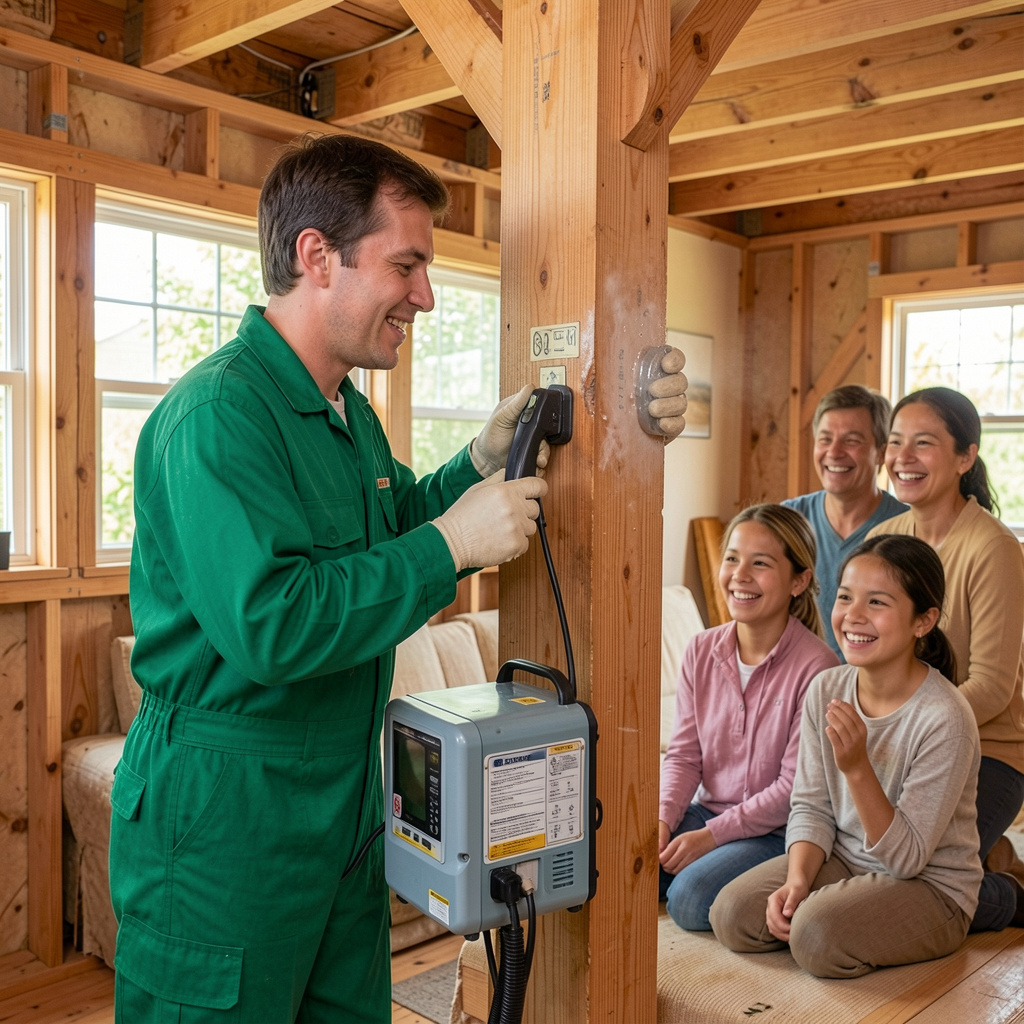
Step 5: Consider Microwave Treatment
Microwave technology has become increasingly popular.
How Microwave Treatment Works
Microwave energy heats moisture inside timber.
This destroys:
- Larvae
- Eggs
- Adult pests
Benefits for Roof Beams
Microwave treatment offers:
- Chemical-free treatment
- Deep penetration
This works especially well for hidden structural timber.
Professional treatment improves safety.
Step 6: Apply Protective Wood Treatments
Protective treatments help preserve roof beams.
Benefits of Protective Treatments
Good wood protection may help resist:
- Moisture
- Surface wear
Best Uses
Especially useful for:
- Older roof beams
- Untreated timber
Preventive care reduces future problems.
Step 7: Repair Small Cracks Early
Small cracks may become larger problems later.
Why Repairs Matter
Openings allow:
- Moisture entry
- Pest access
Areas to Inspect
Pay attention to:
- Beam edges
- Connection points
Minor repairs improve long-term protection.
Step 8: Prevent Mold Growth
Mold often develops in humid roof spaces.
Warning Signs Include
- Musty smells
- Discoloration
- Damp wood
Prevention Tips
Improve:
- Ventilation
- Moisture control
Healthy timber naturally resists fungal damage.
Step 9: Avoid Unsafe DIY Repairs
Structural timber deserves extra caution.
Common DIY Mistakes
Avoid:
- Overusing strong chemicals
- Ignoring moisture sources
Treating symptoms without fixing the cause often fails.
Professional assessment improves outcomes.
Step 10: Monitor Structural Stability
Roof beams support major weight.
Signs of Structural Weakness
Watch for:
- Sagging ceilings
- Deep cracks
- Weak timber
These signs require immediate attention.
Never ignore structural warning signs.
Step 11: Schedule Professional Inspection
Experts can identify hidden problems early.
Professionals May Detect
- Hidden infestation
- Moisture damage
- Structural weakening
This is especially useful for:
- Older homes
- Large timber roofs
Routine inspection saves money long term.
How to Prevent Future Roof Beam Damage
Prevention is easier than major repairs.
Helpful Prevention Habits
- Fix roof leaks quickly
- Improve attic ventilation
- Inspect beams regularly
- Keep roof spaces dry
Small maintenance efforts matter.
Healthy timber lasts much longer.
Common Mistakes Homeowners Make
Ignoring Small Warning Signs
Tiny holes may indicate hidden infestation.
Delaying Repairs
Minor damage spreads quietly.
Skipping Attic Inspections
Hidden roof spaces often develop unnoticed issues.
Treating Only Visible Damage
Hidden problems may remain.
Early action protects structure.
Long-Term Benefits of Safe Roof Beam Treatment
Maintaining roof beams offers many advantages.
Benefits Include
- Stronger structural safety
- Longer timber lifespan
- Lower repair costs
- Better home value
Healthy roof beams support the entire home.
Prevention saves money.
Conclusion
Treating wooden roof beams safely requires proper inspection, moisture control, ventilation, and the right treatment approach. Because roof beams often remain hidden, small problems such as woodworm, moisture, cracks, and mold can quietly grow into expensive structural issues if ignored.
Safe solutions such as professional wood treatments, microwave technology, moisture prevention, and regular maintenance can help preserve timber without unnecessary replacement.
Many homeowners researching timber care through shashel.eu understand that early action is the smartest way to protect wooden roof beams and avoid costly structural repairs.